Nutrition advice can leave you more confused than when you started. One person tells you carbohydrates are poison. Another says fat is the problem. Then come the warnings about beans, oats, dairy, oils, and fruit. Pretty soon, there is nothing left for lunch.
That is not just frustrating. Diet has a substantial influence on heart disease, diabetes, some cancers, and even brain health. When nutrition becomes an endless argument about isolated molecules, we lose sight of information that can actually improve our lives.
After 30 years studying medicine, biology, and nutrition, the framework I use for my own family comes down to five principles. They help us choose healthy foods, personalize where necessary, and enjoy eating without treating every meal like a chemistry exam.
Key Takeaways
- Judge foods by their overall effects in humans, not by one isolated nutrient or compound.
- Personalize dietary restrictions to your medical needs rather than adopting someone else’s limitations.
- Temporary changes after meals are not equivalent to chronic disease or evidence of long-term harm.
- Replacement foods and consistent dietary patterns matter more than rigid labels or occasional treats.
Table of Contents
- 1. Judge the Whole Food, Not One Isolated Nutrient
- 2. Personalize for Your Biology, Not Someone Else’s Condition
- 3. A Temporary Rise Is Not the Same as Chronic Disease
- 4. Always Ask: Compared With What?
- 5. Consistency Matters More Than Perfection
- A Simpler Way to Evaluate Nutrition Advice
1. Judge the Whole Food, Not One Isolated Nutrient
A food is a package of many nutrients and other components, arranged in a particular structure. Its health effects reflect that whole package, not just whichever ingredient happens to be getting attention online.
An avocado is not simply fat. It also provides vitamins, minerals, and plant compounds, including zeaxanthin, which is involved in eye health, and scopoletin, which has been studied for anticancer activity. Those molecular findings do not, by themselves, tell us whether eating avocados prevents cancer. They illustrate how much we miss when we reduce a food to one macronutrient.
An apple is not simply carbohydrate, either. It contains different fibers, vitamins, and compounds such as quercetin and anthocyanins, studied for their roles in inflammation and cardiovascular health.
Even olive oil is more than its fat content. It contains vitamins and other plant compounds. Oleocanthal, for example, has anti-inflammatory activity.
The question is not merely what a food contains. It is what happens to people who eat it.
Remember the elephant
Think of the story of the blind men describing an elephant. One feels a leg and imagines a tree. Another feels an ear and imagines a flexible leaf. Another feels the trunk and imagines a hose.
Each has identified something real. None has understood the animal.

Nutrition claims often make exactly this mistake. Someone identifies one molecule in a food, describes a possible biological effect, and jumps straight to a verdict about the food itself. Step back. Look at the whole elephant.
Beans and lectins: theory versus actual health effects
Should we avoid beans because they contain lectins? Beans also contain minerals, several types of fiber, and phytonutrients. We have to consider all of that, then examine the human evidence.
Research on beans and other legumes reports benefits for blood sugar control, cholesterol, and weight management, along with associations with less heart disease and longer life. The research on pulse consumption is much more useful for deciding what to eat than speculation about a single component.
Some lectins can indeed cause gastrointestinal problems when beans are inadequately prepared. Proper cooking addresses that concern. The practical lesson is to prepare beans correctly, not to fear a food group with a favorable overall evidence base.
I eat beans, lentils, and other legumes daily, and I serve them to my family.
Oats and whole grains: ask the same question
Warnings about oats often focus on phytates, possible glyphosate residues, or unfamiliar chemical names. But oats also provide viscous fiber, minerals, and numerous plant compounds.
What happens when people actually eat them? The evidence includes improvements in cholesterol and blood pressure, favorable effects on body fat in some studies, and associations with a lower risk of developing diabetes. A review of the evidence on oats provides a better starting point than a frightening ingredient list.
I eat oats almost every day. Children in my family eat them, too. Overnight oats with berries are something to enjoy, not something I spend breakfast worrying about.
Carbohydrates versus fat is usually the wrong debate
Neither carbohydrate nor fat is a useful blanket label for deciding whether a food promotes health.
- Carbohydrate-rich whole foods: Fruit, vegetables, legumes, and whole grains generally have favorable health effects.
- Highly refined carbohydrate sources: Soda, gummy candies, and muffins have a very different nutritional package and a less favorable overall profile.
The difference is not that one group contains carbohydrate and the other does not. Fiber, resistant starch, vitamins, minerals, phytonutrients, and food structure all influence digestion, absorption, and ultimately health.
Refining a food can remove many of those components. Calling both foods “carbs” hides the very differences we need to understand.
You can prefer a lower-carbohydrate or lower-fat diet. Personal preference and sustainability matter. Just do not confuse a preferred eating pattern with a story in which all carbohydrates or all fats are harmful.
Saturated fat and seed oils need context, too
Salmon, yogurt, kefir, dark chocolate, and olive oil all contain some saturated fat. That fact does not erase their favorable overall health effects. Conversely, consuming large amounts of butter, tallow, or coconut oil raises different concerns.
This does not mean saturated fat is irrelevant. It means the type, quantity, food source, and broader dietary context matter. The presence of saturated fat alone is not a complete assessment of a food.
Seed oil debates often repeat the same reductionist argument: omega-6 fats, hexane, double bonds, or erucic acid are presented as enough information to condemn an oil.
With canola oil, the more useful question is what human studies show. Across the evidence, we see favorable cholesterol changes, improvements in triglycerides when they change, and reduced liver fat in some trials. Observational research also reports lower mortality among people consuming certain plant oils, including findings that account for factors such as smoking and exercise.
Those observational findings are not the same as proof of causation, but they belong in the overall assessment. This study of cooking oils and mortality is one example.
I buy canola oil. It is one of several fats my family uses. Nobody has to eat it, but the human evidence does not give me a reason to panic about it.
Protein is not a team sport
Protein debates can become an argument over whether everyone should eat 0.8, 1.1, or 1.45 grams per kilogram of body weight. Meanwhile, many people do not know how much protein they currently eat.
Protein adequacy matters. But most people eating a typical Western diet already get plenty. Among the many problems with that dietary pattern, insufficient protein is generally not the central one.
Nor do we need to pick a side in a plant-versus-animal contest. Fatty fish, fermented dairy, legumes, and nuts all have favorable evidence. Some come from animals and some from plants. That distinction alone cannot explain their health effects.
My priority is a varied diet that includes several health-promoting protein sources, not turning dinner into a battle over dietary identity.
Even fiber is not a free pass
The evidence supporting fiber-rich diets is among the strongest in nutrition, including lower risks of heart disease, diabetes, and some cancers. But that does not mean every product with added fiber inherits the benefits of beans, fruit, or whole grains.
A sugary cereal does not become equivalent to an intact whole food because a manufacturer adds fiber and advertises it on the box.
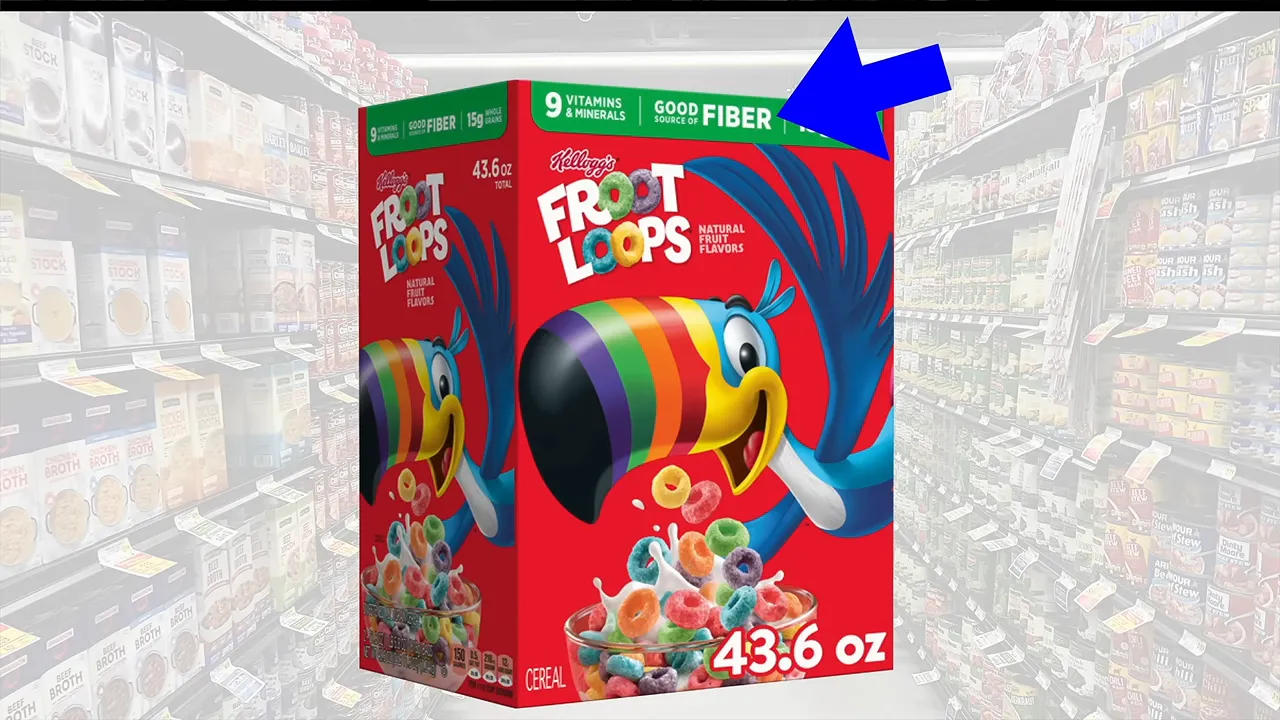
Nutrients matter. They simply do not replace the need to evaluate the whole food. Forget that, and both fear-based marketing and health-halo marketing become much more persuasive.
2. Personalize for Your Biology, Not Someone Else’s Condition
Some people have medical conditions or intolerances that require specific dietary changes. Those changes do not automatically apply to everyone.
This distinction sounds obvious. An enormous amount of nutrition fear depends on us forgetting it.
- Gluten: People with celiac disease and certain other gluten-related conditions need appropriate diagnosis and dietary management. That does not make gluten universally harmful.
- Oxalates: Some people who form calcium oxalate kidney stones need targeted strategies. That does not mean everyone needs to count the oxalates in their salad.
- Gastrointestinal conditions: Irritable bowel syndrome and inflammatory bowel disease can require individualized approaches. Some food intolerances can also improve over time.
- Blood glucose: A person with diabetes may need strategies to manage an abnormal response to meals. Those strategies should not automatically become rules for healthy people.
I do not have a history of kidney stones, and neither does my family. When I eat a beet salad with walnuts and greens, I am not calculating its oxalate content. I am enjoying lunch.
The point is not to dismiss real conditions. It is to avoid turning someone else’s clinical needs into a universal list of forbidden foods.
Eggs, sodium, and individual responses
Personalization also helps explain why seemingly straightforward nutrition questions can produce different answers.
Do eggs raise blood cholesterol? Responses vary. Many people experience a modest increase, while some have a much larger response to dietary cholesterol. Your own response is more useful than an online argument insisting that everyone reacts identically.
Sodium sensitivity varies, too. Some people have a pronounced blood pressure response to higher sodium intake. Others are more tolerant.
Eat to your blood work and your measurements. Use appropriate tests, blood pressure readings, symptoms, and clinical guidance to make adjustments. Personalization should be grounded in your health, not in whichever warning is most dramatic.
I once heard from someone who had become frightened of virtually every food. Carbohydrates, fats, dairy, and oils had all been ruled out by different influencers. Understanding these basic distinctions helped her relax and eat a healthy diet again.
That peace of mind matters. Fear is a powerful way to generate clicks and sell things. It is not a reliable way to decide what belongs on your plate.
3. A Temporary Rise Is Not the Same as Chronic Disease
Your body is constantly adjusting. Homeostasis is not a state in which every measurement stays perfectly flat.
- During exercise, heart rate and blood pressure rise.
- After a meal containing fat, triglycerides rise as dietary fats enter the bloodstream.
- After a meal containing carbohydrate, blood glucose rises as sugars enter the bloodstream.
These are acute responses. A temporary change after a meal or during activity is not, by itself, evidence of disease.
The clinical situation is different when blood pressure remains high at rest, triglycerides remain elevated while fasting, or blood glucose is persistently abnormal.
A normal short-term response and a chronic abnormality are not interchangeable.
This is especially important in discussions of glucose spikes. Showing that blood glucose increased after eating does not establish that the meal caused long-term harm. The size, duration, and clinical context of the response matter, including whether the person has diabetes or another relevant condition.
Do not let a graph substitute for the real question: does this response indicate a health problem, and what do long-term outcomes show?
4. Always Ask: Compared With What?
Nutrition involves choices. Eating more of one thing usually means eating less of something else.
That is why “Is this food good or bad?” is often an incomplete question. A food can look favorable or unfavorable depending on what replaces it.
Saturated fat research illustrates this beautifully. Suppose a study finds little difference in heart disease risk between higher and lower saturated fat intake. Before declaring the issue settled, ask what people ate instead.
- Butter versus refined carbohydrates: Replacing butter with white bread or muffins may not produce much improvement in heart disease risk.
- Butter versus olive oil: The comparison is more favorable to olive oil.
- Saturated fat sources versus whole grains: Replacing them with foods such as brown rice or steel-cut oats can produce a different result from replacing them with refined carbohydrates.
This study of saturated fat and replacement nutrients directly addresses why the alternative matters.
“No difference” between two choices does not mean both are optimal. It may mean that replacing one with the other does not improve the situation.
Instead of what? Those three words clear up a remarkable amount of nutrition confusion.
5. Consistency Matters More Than Perfection
Your habitual dietary pattern matters far more than an occasional departure from it.
I recently had a bunch of potato chips at a family picnic. I was not worried. They are not a daily staple in my diet.
Have an ice cream with your children. Enjoy a piece of candy occasionally. The issue is not that those foods ever pass your lips. It is whether they become a large part of what you eat day after day.
The most useful unit in nutrition is the dietary pattern, not the isolated treat.
The Mediterranean diet is a reference, not a rigid menu
The traditional Mediterranean dietary pattern has an extensive evidence base, including lower risks of heart disease, diabetes, some cancers, and premature death, as well as favorable mental health findings.
Its basic ingredients are familiar:
- Fruits and vegetables.
- Legumes and whole grains.
- Olive oil.
- Fish and seafood.
- Some dairy and lean meats.
- A low intake of highly processed junk foods.
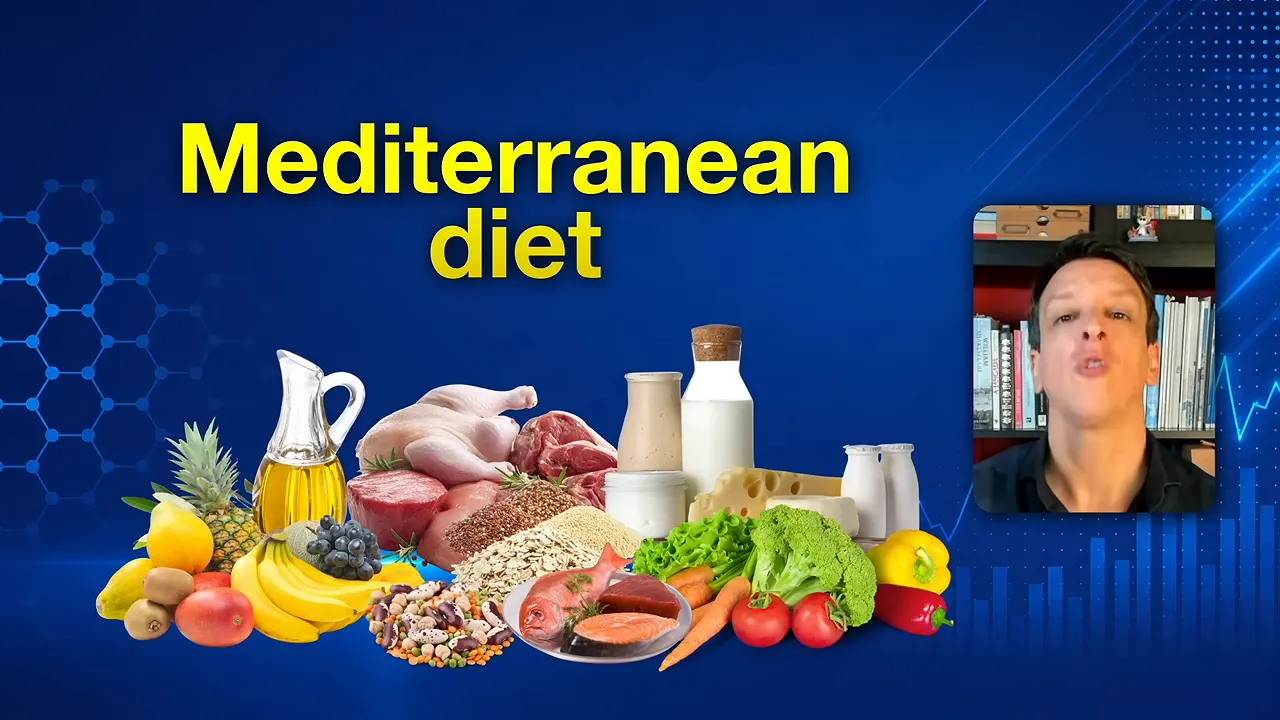
This is a flexible reference, not a set of shackles. You do not have to eat every listed food. Remove foods you dislike or cannot tolerate. A lower-carbohydrate, lower-fat, or vegetarian version can still follow the same fundamental principles.
The diet’s name is less important than the foods, nutritional adequacy, and habits behind it.
Close nutrient gaps when you make changes
Flexibility does come with a responsibility: make sure the modified pattern still meets your needs.
Many healthy adults eating a varied, adequate diet do not need routine supplements. But specific gaps require specific solutions.
- Vitamin B12: A vegan diet needs a reliable source of B12.
- Iodine: Pay attention if you avoid fish, seafood, and dairy, especially if you also use little or no iodized salt. Make sure your diet provides iodine, or discuss supplementation when appropriate.
The objective is not to take supplements indiscriminately. It is to identify what is actually missing and address it.
A Simpler Way to Evaluate Nutrition Advice
You do not need to memorize every molecule or read every study to become much harder to mislead.
When a nutrition claim sounds alarming, run it through these five questions:
- What happens when people eat the whole food? Do not stop at a theory about one ingredient.
- Does this apply to my health situation? A disease-specific restriction is not automatically a rule for everyone.
- Is this an acute response or a chronic problem? A temporary rise does not establish long-term harm.
- What is the alternative? The replacement food can change the conclusion.
- Is this my usual pattern or an occasional choice? Consistency matters more than dietary perfection.
Then check how your approach is working. Use appropriate blood tests and blood pressure measurements, consider your overall health, and adjust with your clinician when needed.
The goal is a nourishing diet you can sustain and enjoy. Not a growing list of foods you are afraid to eat.
For more detail, I have written a free nutrition guide covering common questions about cholesterol, artificial sweeteners, organic foods, supplements, nutrient deficiencies, intermittent fasting, and popular diets.
|
This information is educational and is not a substitute for individualized medical advice, diagnosis, or treatment. Discuss medical conditions and significant dietary changes with a qualified health professional.


