A lot of cancer prevention comes down to habits we have to maintain: eating a healthy diet, exercising regularly, not smoking, and avoiding too much alcohol. Those things are powerful. Absolutely.
But not every prevention strategy requires decades of daily discipline. Some involve a short course of treatment, vaccination, or removing abnormal tissue before it becomes invasive cancer. These approaches get much less attention than they deserve.
How big a difference can they make? Studies have reported roughly half as much stomach cancer after treating a bacterial infection, 88% less cervical cancer among women vaccinated against HPV before age 17, and substantial reductions in childhood liver cancer after hepatitis B vaccination.
There are important qualifications behind those numbers. These are reductions in the risk of particular cancers, not guarantees, and they are not treatments for an existing cancer. The strength of the evidence also varies. So we need to look at what was actually tested, who benefited, and what the results mean.
Key Takeaways
- Treating H. pylori can substantially reduce stomach cancer risk in people with the infection.
- HPV and hepatitis B vaccination help prevent infections that can cause cancer.
- Polyp removal prevents colorectal cancer, while berberine research primarily addresses precancerous adenoma recurrence.
- High-dose beta carotene and vitamin E supplements increased specific cancer risks in randomized trials.
Table of Contents
- 1. Treating H. pylori Can Lower Stomach Cancer Risk
- 2. HPV Vaccination Is Cancer Prevention
- 3. Hepatitis B Vaccination Can Prevent Liver Cancer
- 4. Removing Precancerous Colon Polyps Can Interrupt Cancer Development
- 5. Two Antioxidant Supplements That Backfired
- Cancer Prevention Is Bigger Than Daily Willpower
1. Treating H. pylori Can Lower Stomach Cancer Risk
Stomach cancer is one of the most common and deadly cancers worldwide, with about a million new cases diagnosed each year. Diet, smoking, and alcohol can contribute. But a major cause is something many people would never suspect: bacteria.
Helicobacter pylori, usually shortened to H. pylori, colonizes the stomach lining of roughly 40% of people worldwide. Most people with the infection have no symptoms. In some, however, it causes inflammation of the stomach lining, called gastritis.
Over time, that chronic inflammation can lead to cellular changes. In a minority of people, those changes progress to stomach cancer. The International Agency for Research on Cancer classifies H. pylori as a Group 1 carcinogen, meaning there is sufficient evidence that it causes cancer in humans.
This is a striking possibility: someone could maintain healthy habits for decades while an undetected infection continues to increase their risk. The obvious question is whether eliminating the bacteria prevents cancer.
What the randomized trials found
A systematic review and meta-analysis pooled 11 randomized controlled trials involving more than 100,000 people. Eradicating H. pylori was associated with:
- 39% lower risk of stomach cancer.
- 22% lower risk of death from stomach cancer.
Those are relative risk reductions. They do not mean that 39 out of every 100 people treated would otherwise have developed stomach cancer.
Most people with H. pylori never develop stomach cancer; the estimate discussed here is about 1% to 3%. A 39% relative reduction means preventing roughly two out of every five cases that would otherwise occur, not eliminating the risk entirely.
One particularly interesting trial from China with 22 years of follow-up found almost 50% lower stomach cancer risk in the treated group. A short treatment course can have consequences that last for decades. That is pretty powerful.
What treatment involves, and who should discuss testing
Treatment typically involves a specific combination of antibiotics plus an acid-reducing medication, such as omeprazole, for about two weeks. This is clinician-directed treatment, not a reason to take antibiotics on your own.
Does everyone need testing? Not necessarily. Reasons to discuss H. pylori testing with a doctor include:
- Persistent or difficult-to-manage indigestion.
- Stomach ulcers.
- A personal history of stomach cancer.
- A close family member who has had stomach cancer.
Noninvasive tests can detect the infection using a stool sample or a breath sample. If the result is positive, your doctor can advise on treatment.
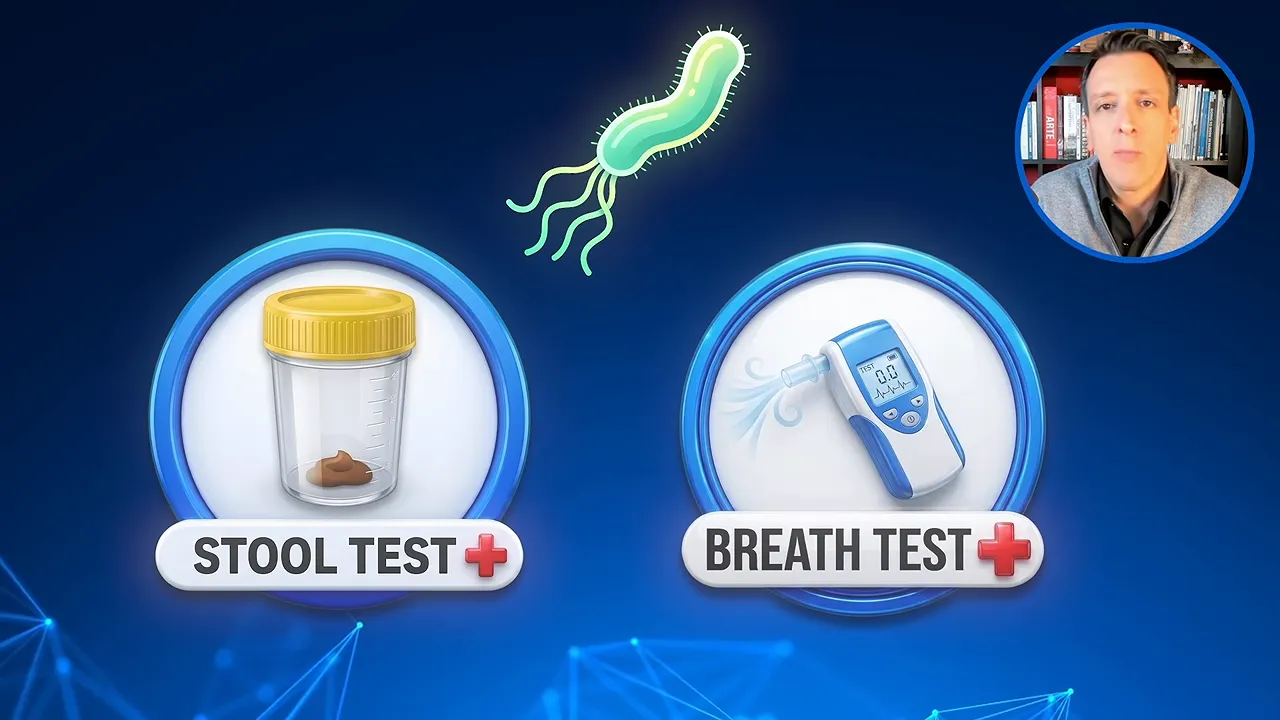
And cancer is not the only concern. H. pylori can also cause gastritis and stomach ulcers. It is a small organism with several ways to cause trouble.
2. HPV Vaccination Is Cancer Prevention
The discovery that microorganisms can cause cancer was a major medical breakthrough. Another important example is human papillomavirus, or HPV, the most common sexually transmitted infection worldwide.
Most HPV infections clear naturally. But when infection with certain strains persists, it can cause cancer.
We often associate HPV with cervical cancer, and for good reason: HPV causes more than 90% of cervical cancers. But HPV is not only a concern for women. It can also cause cancers of the penis, vagina, anus, and throat.
The proportions attributed to HPV are substantial:
- About 60% of penile cancers.
- About 70% to 75% of vaginal cancers.
- About 90% of anal cancers in both sexes.
From preventing infection to preventing invasive cancer
Early research showed that HPV vaccines were effective at preventing infection with the targeted HPV types and reducing precancerous cervical lesions. The next question was whether vaccination would also reduce invasive cervical cancer itself.
A landmark Swedish study followed almost 1.7 million women. Among those vaccinated before age 17, invasive cervical cancer was 88% lower than among unvaccinated women, after adjustment for measured differences between the groups.
This was an observational study, not a randomized trial. That distinction matters because observational comparisons can be affected by differences between people who do and do not get vaccinated. Still, it is a striking result, alongside the evidence that vaccination prevents the infections and precancerous changes that lead to cancer.
Unlike a lifestyle habit that needs daily attention, vaccination is a discrete preventive intervention. That does not mean everyone needs the same schedule, but it does mean protection does not depend on making the same choice every day for years.
Two important limitations
First, HPV vaccination works best before exposure to HPV. That is why it is often offered in childhood or adolescence. It does not clear an infection that is already present.
Second, vaccination does not replace cervical screening. Vaccines do not cover every HPV type, and some people may have been exposed before vaccination.
Screening can identify precancerous changes so they can be treated before they progress. For some cervical lesions, a clinician can remove abnormal tissue using a thin heated wire loop. Removing that tissue reduces the opportunity for it to become invasive cancer.
3. Hepatitis B Vaccination Can Prevent Liver Cancer
Hepatitis B provides another example of preventing cancer by preventing an infection. Chronic hepatitis B can cause cirrhosis and liver cancer.
In 1984, Taiwan introduced universal hepatitis B vaccination for newborns. Researchers subsequently examined rates of hepatocellular carcinoma, the most common type of primary liver cancer.
The Taiwan population study reported that, about a decade after the program began:
- Liver cancer incidence was roughly halved among children ages 1 to 14.
- Among children under 10, the reduction was about 75%.
Again, these were population-level observations, not results from a randomized trial. We should not confuse the two. But the findings make a compelling case for preventing hepatitis B as a cancer prevention strategy.
Both hepatitis B and HPV illustrate the same principle: sometimes the most direct route to reducing cancer risk is to prevent the infection that helps cause it.
4. Removing Precancerous Colon Polyps Can Interrupt Cancer Development
Colorectal cancer often begins with a precancerous growth called an adenoma. An adenoma is a benign tumor: its cells grow abnormally, but the growth is not yet invasive cancer.
Over time, some adenomas accumulate additional cellular changes and become malignant. This is why colonoscopy can be more than a way to find cancer. It can also provide an opportunity to remove precancerous polyps before cancer develops.
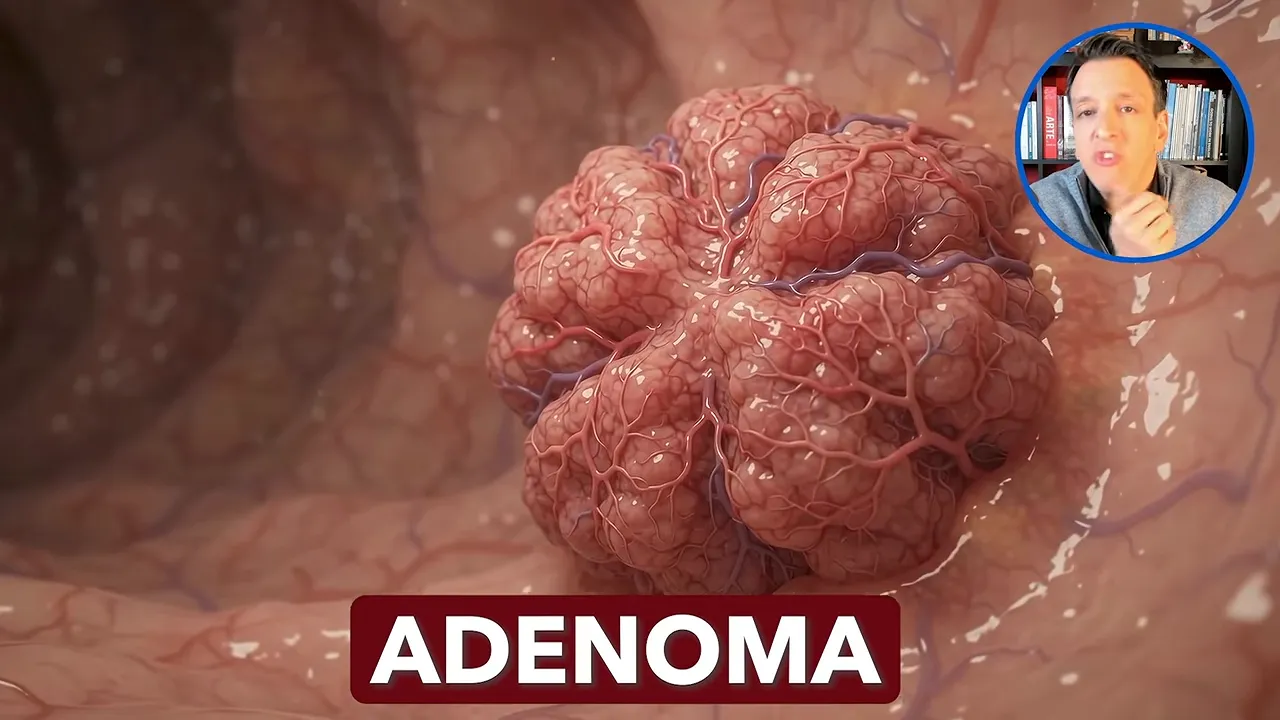
Research on colonoscopic polyp removal has suggested reductions of roughly 70% to 90% in subsequent colorectal cancer incidence compared with expected rates in reference groups. The exact benefit depends on the comparison and population, but the underlying idea is straightforward: remove a potential precursor before it progresses.
There is a catch, though. After polyps are removed, growths can recur or new ones can develop. That has led researchers to investigate ways to reduce adenoma recurrence.
Berberine: promising evidence, but not proof of cancer prevention
Berberine is a widely available natural compound sold as a supplement. It has mainly been studied for effects on blood sugar and cholesterol, but researchers have also tested whether it reduces colorectal adenoma recurrence.
In a double-blind, randomized, placebo-controlled trial, more than 1,000 patients who had undergone polyp removal were assigned to berberine or placebo. The studied dose was 300 milligrams twice daily, for a total of 600 milligrams per day.
Over two years, adenomas recurred in almost half of the placebo group, compared with a little over one-third of the berberine group.
Researchers continued following participants for another six years after the two-year trial. In the extended follow-up, reported recurrence was:
- 52% among those originally assigned to placebo.
- 34.7% among those originally assigned to berberine.
That is an interesting finding for an inexpensive, widely available compound. But the main qualification is essential: these results concern adenomas, not demonstrated reductions in colorectal cancer.
Cancer takes longer to develop and occurs in only a proportion of people with these lesions. Fewer precancerous growths is encouraging, but it is not the same endpoint as fewer cancers. These findings do not establish berberine as a substitute for colonoscopy, polyp removal, or follow-up care.
5. Two Antioxidant Supplements That Backfired
It is tempting to assume that if a nutrient is healthy in food, concentrating it into a pill must be even better. Unfortunately, biology does not work that way.
Two randomized trials offer a particularly useful warning.
Beta carotene and lung cancer in smokers
Beta carotene is an antioxidant found in foods such as carrots and sweet potatoes. Observational research had found that people consuming more beta carotene in their diets had less lung cancer.
That led to a reasonable-sounding hypothesis: give a purified, high-dose supplement to people at high risk, namely smokers, and perhaps it would reduce oxidative damage and prevent cancer.
But in the randomized trial in male smokers, those assigned beta carotene had 18% more lung cancer than those not assigned it.
The proposed benefit did not merely fail to appear. The intervention went in the wrong direction.
Vitamin E and prostate cancer
A similar warning emerged from a randomized trial of vitamin E supplementation. Participants assigned 400 international units of vitamin E per day had a 17% higher risk of prostate cancer than those assigned placebo.
The mechanisms behind these results are not completely understood. Interference with hormone signaling is one possibility discussed, but it remains a hypothesis, not a settled explanation.
The practical lesson is clearer: a nutrient's reputation as an antioxidant is not evidence that a high-dose supplement prevents cancer. Each supplement, dose, and use needs to be tested on its own merits.
These findings are not a reason to avoid carrots, sweet potatoes, or other antioxidant-containing foods. They are a reason not to assume that purified, concentrated nutrients reproduce the effects of a balanced diet.
Cancer Prevention Is Bigger Than Daily Willpower
Healthy habits still matter. None of these findings makes smoking harmless or removes the value of a healthy diet and regular exercise.
But prevention also includes opportunities that do not depend on endless discipline: identifying and treating an infection when appropriate, receiving recommended vaccines, and finding and removing precancerous tissue.
The sensible next step is not to try every intervention indiscriminately. It is to discuss which ones apply to your health history, symptoms, vaccination status, and screening needs. And when it comes to supplements, a healthy-sounding label is no substitute for clinical evidence.
This information is educational and is not a substitute for individualized medical advice, diagnosis, or treatment. Discuss testing, vaccination, screening, medications, and supplements with a qualified healthcare professional.


