The Game Changers, produced by James Cameron, makes a compelling case for plant-based eating. It also makes some claims that deserve a closer look. Predictably, the debate tends to split into two camps: the film is either flawless or nothing but vegan propaganda.
Neither approach is particularly useful. The question is whether its claims match the science.
My overall assessment: the documentary is very good at dismantling the idea that you need meat to be strong, but less convincing when it implies that avoiding animal foods automatically makes you a better athlete. Its strongest health arguments also deserve more attention than its anecdotes, and its emphasis on vegan convenience foods misses a crucial distinction: whole plants are not nutritionally interchangeable with anything carrying a vegan label.
Key Takeaways
- Elite plant-based athletes demonstrate that meat is unnecessary for high performance, not that vegan diets guarantee superiority.
- The film’s cardiovascular health arguments are stronger than its athletic testimonials and small meal demonstrations.
- Whole plant foods and less healthy vegan foods do not offer interchangeable health benefits.
- Rapid cholesterol improvements are possible, but they do not mean heart disease disappears within a week.
Table of Contents
- Were Roman Gladiators Mostly Vegetarian?
- Plant-Based Athletes Prove Possibility, Not Superiority
- The Protein Basics Are Solid
- The Blood-Vessel Experiment: A Real Issue, an Oversimplified Divide
- The Erection Experiment: Better Evidence Exists Beyond the Demonstration
- The Protein Package Is More Important Than the Protein Label
- Heart Health Is the Film’s Strongest Scientific Ground
- Our Ancestors’ Diets Are Not the Final Word
- Nutrition Is Less Confused Than the Headlines Suggest
- The Environmental Argument Deserves Attention, With Appropriate Limits
- The Biggest Missing Distinction: Whole Plants Versus Vegan Junk Food
- The Bottom Line on The Game Changers
Were Roman Gladiators Mostly Vegetarian?
The film follows former MMA fighter James Wilks as he investigates diet and performance. That is smart storytelling. Instead of delivering a pile of nutrition facts, it gives us a person, a question, and a journey.
One of its early stops is ancient Rome. The suggestion is that gladiators were mostly vegetarian, based partly on measurements of strontium in their bones.
Interesting? Absolutely. Airtight? I would not bet my life savings on it.
The gladiator forensics study includes important caveats. Interpreting strontium as a simple indicator of plant versus animal intake is not straightforward, and elements in buried bones can change over time. Nitrogen measurements also suggest differences between individuals: some findings are consistent with substantial legume consumption, while others indicate regular animal protein intake.
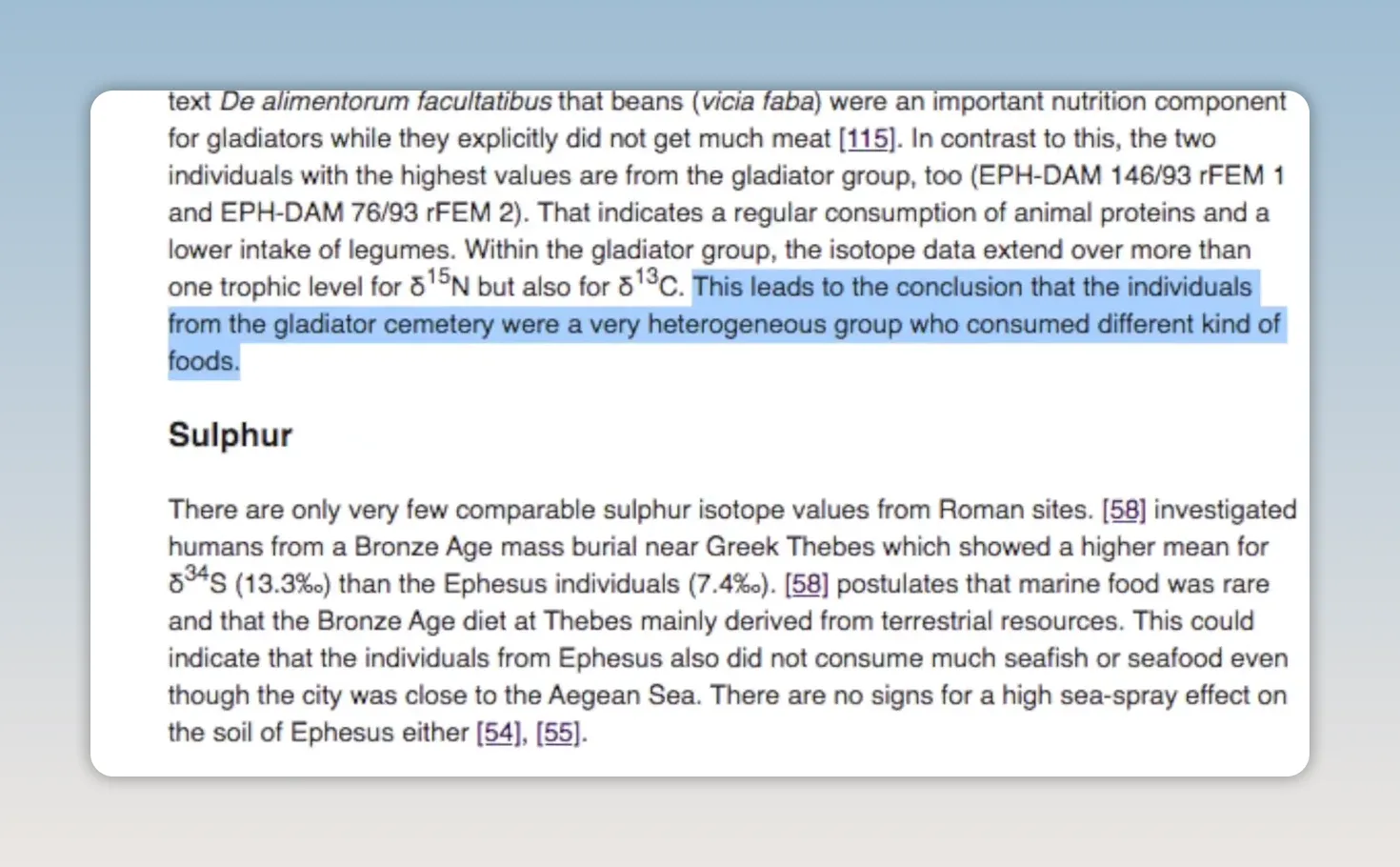
Barley, wheat, and other plant foods appear to have been important staples. That does not establish that every gladiator, or even the group as a whole, followed the diet the film seems to suggest.
More importantly, what gladiators ate 2,000 years ago is not the deciding factor in what we should eat today. We have much more relevant evidence.
Plant-Based Athletes Prove Possibility, Not Superiority
The athletes are one of the documentary’s greatest strengths. Scott Jurek’s attempt to cover roughly 2,200 miles in 46 days is extraordinary. Whatever is on your plate, that is an astonishing amount of running.
The film also introduces accomplished sprinters, weightlifters, strongmen, Olympians, and record holders who eat plant-based diets. These are not hypothetical examples. They are real people performing at an exceptionally high level.
That establishes an important point: meat is not a requirement for elite athletic performance.
But there are two different claims here:
- You can be an outstanding athlete while eating a plant-based diet.
- You will perform better because you eat a plant-based diet.
The first is demonstrated by the athletes themselves. The second requires a different kind of evidence.
When an athlete reports feeling stronger, faster, or leaner after changing diets, I do not doubt the experience. The problem is attributing the improvement specifically to removing animal foods. A personal account cannot isolate what caused the change.
You can find equally enthusiastic testimonials for meat-heavy diets and just about every nutritional fad imaginable. If a persuasive story is enough to establish a diet’s superiority, anything goes.
That is why anecdotes cannot do the work of controlled research. And this is an unnecessary weakness in the film: there are already excellent, well-documented reasons to eat more whole plant foods. We do not need to lean so heavily on testimonials.
The Protein Basics Are Solid
The documentary’s central points about plant protein are well established:
- Plant foods can provide plenty of protein.
- A plant-based diet can supply all essential amino acids.
- You can build muscle without eating meat.
This is not a radical discovery. It is basic nutrition, even if the cultural association between meat and muscle remains stubbornly persistent.
The more useful question is not simply whether a food contains protein. It is what else comes with that protein. The film returns to that idea later, and it is one of its most valuable contributions.
The Blood-Vessel Experiment: A Real Issue, an Oversimplified Divide
One of the film’s much-discussed demonstrations compares blood samples after different meals and connects the results to endothelial function.
The endothelium is the inner lining of blood vessels. Its ability to help regulate vessel dilation matters for cardiovascular health.
The film’s message is essentially that animal fat impairs this function while plant fat does not. There is evidence supporting parts of that argument. A study of dietary fat and flow-mediated dilation, for example, found impaired vascular responsiveness after a high-saturated-fat diet, with butter supplying much of that saturated fat.
But the broader research on meals and endothelial function is more complicated. Some plant-derived oils have also been reported to impair endothelial function in particular experimental settings.
Animal versus plant is not a complete description of a food’s health effects. The specific food and the dietary context matter.
I understand the communication challenge. Perhaps the filmmakers thought asking people to reconsider meat was enough of a hurdle without also discussing refined foods, oils, and salt. Nobody wants to leave a nutrition documentary thinking their only remaining option is a bowl of twigs.
Still, Forks Over Knives managed to communicate that the emphasis is on whole plant foods, not merely removing animal products. We should not underestimate people’s ability to understand that distinction.
The Erection Experiment: Better Evidence Exists Beyond the Demonstration
Then there is the scene everyone seems to remember: measurements of nighttime erections after animal-based versus plant-based meals.
As the doctor involved acknowledges, this demonstration is not a proper scientific experiment. It cannot establish that a single plant-based meal reliably produces the reported effects.
But dismissing the demonstration does not mean dismissing the underlying connection between diet, vascular health, and erectile function.
There is relevant evidence:
- Blood cholesterol levels are associated with erectile dysfunction risk.
- Correcting elevated cholesterol has been associated with improvements in erectile function.
- Plant-heavy dietary patterns have supporting evidence from both observational research and clinical trials.
A review of diet and erectile dysfunction describes a pattern rich in fruits, vegetables, nuts, whole grains, and fish, with less red and processed meat and fewer refined grains. Such patterns are more common among men without erectile dysfunction, and clinical trials suggest they can improve function in some groups.
Notice that this is not necessarily a strictly vegan pattern. The support is for an overall dietary pattern, not proof that every animal food has the same effect.
There is also a plausible mechanism. Leafy greens provide dietary nitrates that can contribute to nitric oxide production. Nitric oxide helps blood vessels relax and dilate, a key part of an erection. Viagra acts on that broader signaling pathway, although eating greens and taking medication are not equivalent interventions.
So yes, there is some hard science behind the general idea. The small demonstration just is not the strongest evidence for it. I will spare you the remaining puns.
The Protein Package Is More Important Than the Protein Label
Dr. Scott Stoll introduces a particularly useful concept: the protein package.
Foods do not deliver isolated amino acids. They deliver a collection of nutrients and other compounds.
Animal protein sources can come with cholesterol and saturated fat. The film also discusses heme iron, Neu5Gc, and the production of TMAO as potential contributors to adverse biological effects. These are mechanistic concerns, not reasons to assume every animal food has an identical nutritional profile or identical health effects.
Whole plant protein sources, by contrast, can bring fiber, vitamins, antioxidants, and other phytonutrients along with their protein.
That changes the conversation. Asking whether you can build muscle from either source is only the beginning. You also want to know what the overall food does for long-term health.
Protein grams alone do not answer that question.
Heart Health Is the Film’s Strongest Scientific Ground
The documentary becomes especially compelling when it introduces Wilks’s father and his heart disease. It shifts from athletic testimonials toward disease mechanisms and clinical research, including evidence concerning regression of coronary disease with intensive plant-predominant lifestyle approaches.
This is much stronger ground than trying to prove that a particular athlete became faster because of a dietary change.
I also appreciate the film’s habit of displaying actual research papers and citations. Making a claim is one thing. Giving people a way to examine its basis is better.
The Firefighters and Rapid Cholesterol Changes
One of the most effective scenes features firefighters attending a healthy-eating workshop, then having their laboratory results checked about a week later. Some experience cholesterol drops of more than 100 points.
Those are striking individual results, but the broader phenomenon is not far-fetched. Dietary changes can produce substantial cholesterol reductions quickly. Research on cholesterol-lowering dietary changes supports the potential for rapid improvements, and the review highlights reductions on the order of 30% within a week under specific dietary conditions.
That does not mean everyone should expect the same result. And a lower cholesterol measurement after seven days is not the same thing as eliminating heart disease in seven days. It is a rapid improvement in an important risk factor.
That distinction matters, but it does not make the result trivial. Food can meaningfully affect cardiovascular risk markers, and it can begin doing so surprisingly fast.
Our Ancestors’ Diets Are Not the Final Word
The film also addresses what humans evolved to eat. I understand why: ancestral eating arguments have enormous cultural appeal.
But I think they are largely a distraction from the questions that matter most.
Our ancestors ate what was available and what allowed them to survive and reproduce. That does not automatically identify the diet most likely to help us remain healthy into our 80s, 90s, or beyond.
I want evidence about long-term health outcomes. What reduces the likelihood of a heart attack? What supports health across decades? A reconstruction of someone’s dinner 100,000 years ago does not settle those questions.
Nutrition Is Less Confused Than the Headlines Suggest
The documentary takes aim at nutrition misinformation and the ways media coverage and food-industry interests can capitalize on confusion.
There are genuine disagreements in nutrition science. But the broad support for plant-predominant dietary patterns is much stronger than the daily headline cycle might suggest.
That is not the same as universal agreement that everyone must be strictly vegan. It means that emphasizing vegetables, fruits, whole grains, legumes, and nuts is a recurring theme in mainstream dietary guidance.
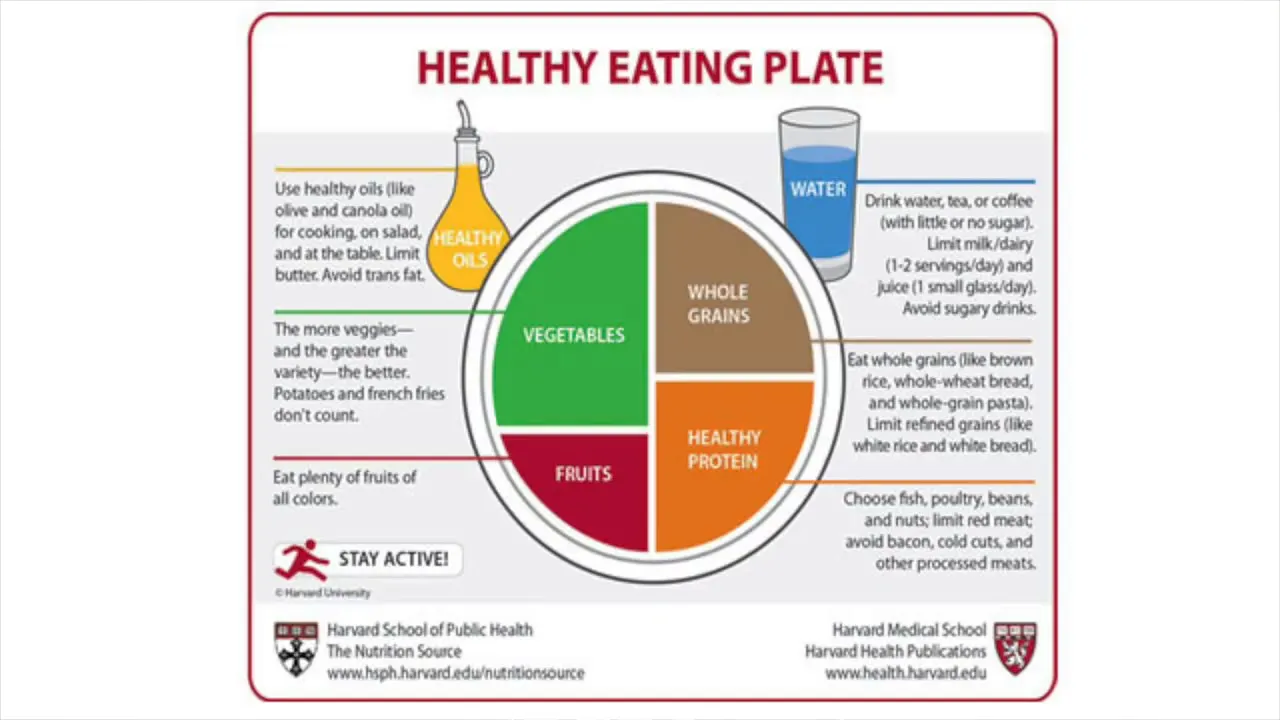
The useful conversation is about overall dietary quality, not which ideological team wins.
The Environmental Argument Deserves Attention, With Appropriate Limits
The film briefly covers animal agriculture’s environmental footprint, including land use, water use, and greenhouse gas emissions.
My background is in medicine and biology, not climate science. Reading research in another field is useful, but it does not make me an expert in that field.
With that limitation stated, the literature discussed here broadly supports the conclusion that animal products often have larger environmental footprints than plant foods.
There is an intuitive efficiency issue: raising animals commonly requires growing feed, supplying resources, and maintaining the animals for months or years. Eating plants directly can avoid much of that resource use.
Intuition is not a substitute for measurement, of course. But in this case, the general reasoning is consistent with the research presented.
The Biggest Missing Distinction: Whole Plants Versus Vegan Junk Food
Near the end, the film emphasizes that plant-based eating can include familiar foods such as pizza, nuggets, meatballs, and pancakes.
I understand the appeal. Making dietary change feel approachable is valuable. A message that sounds like permanent deprivation is unlikely to get very far.
But the implication can become misleading if it suggests that replacing animal foods with any vegan alternative delivers the same benefits as a diet built around whole plants.
It does not.
Research distinguishing healthful and unhealthful plant-based diets makes this point especially clearly. Plant-based dietary patterns dominated by healthier plant foods are not equivalent to patterns rich in less healthy plant foods, including refined carbohydrates.
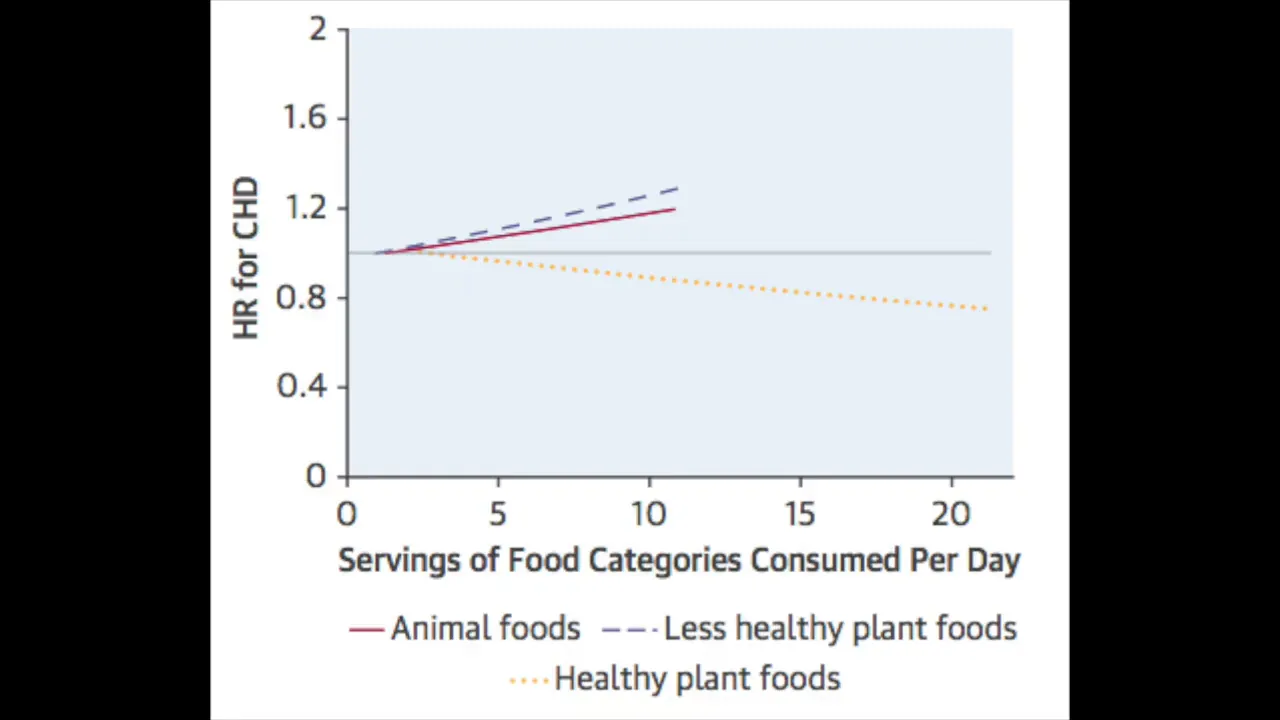
Vegan describes what a food excludes. It does not establish its nutritional quality.
The stronger evidence-based message is to emphasize whole plant foods: vegetables, fruits, legumes, whole grains, and nuts. Simply removing animal ingredients is not the entire story.
The filmmakers may have wanted to make change seem less threatening. Fair enough. But they could have made it inviting without blurring this distinction.
The Bottom Line on The Game Changers
I think The Game Changers is well made and makes several important points. It gives a much-needed pushback against the idea that strength, athleticism, or masculinity requires large quantities of meat.
Its weaknesses are also clear: too much reliance on personal testimonials, some oversimplified plant-versus-animal comparisons, and too little emphasis on the difference between whole plant foods and vegan junk food.
Those criticisms do not undermine the case for eating more plants. They are reasons to make that case more carefully.
There is substantial scientific evidence supporting whole plant foods. We can celebrate extraordinary athletes without treating their experiences as controlled trials. We can acknowledge rapid cholesterol improvements without promising instant disease prevention. And we can make plant-based eating approachable without pretending every vegan product is a health food.
If the film encourages people to eat more whole plants and reconsider how much meat they need, I hope its overall impact is positive for health, the environment, and animal welfare. The strongest version of its message does not need hype. The evidence is interesting enough.
This article is for educational purposes and is not a substitute for individualized medical advice, diagnosis, or treatment. Discuss medical conditions and treatment decisions with a qualified healthcare professional.


